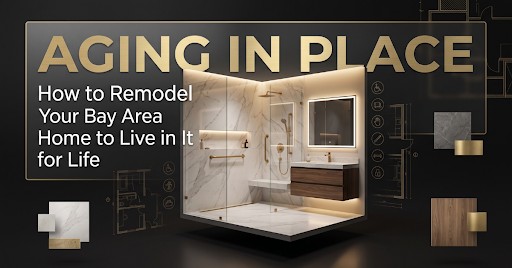
Aging in place remodeling adapts a home so you can live in it safely and comfortably as you age — with features like curbless showers, grab bars, wider doorways, single-floor living, and better lighting. It blends universal design with everyday style and has become one of the fastest-growing remodeling priorities for East Bay homeowners.
- Universal design benefits everyone — children, guests, and people of all abilities — not just seniors.
- The bathroom is the top safety priority; the kitchen and entries come next.
- Curbless showers, grab bars, wider doorways, lever handles, and good lighting are the core upgrades.
- Single-floor living, main-level suites, and ADUs support multigenerational households.
- Modern universal design looks stylish, not clinical.
- These features add resale value and widen your future buyer pool.
What Is Aging-in-Place Remodeling?
Aging-in-place remodeling means updating a home so its owners can continue living there safely and independently as they grow older, rather than moving to assisted living. It relies on universal design — features usable by people of all ages and abilities. The goal isn’t a hospital look; it’s a comfortable, attractive home that quietly removes hazards and adds ease, from step-free entries to better-lit hallways.
Why Are So Many Bay Area Homeowners Planning for It Now?
Two forces are driving demand. First, more homeowners want to stay in the communities and homes they love, especially where property values are high and moving is costly. Second, multigenerational living is on the rise — aging parents moving in, or adult children returning — which makes a home that works for everyone a practical necessity. Planning these features into a remodel now, rather than retrofitting in a crisis later, saves money and stress.
There’s a strong emotional dimension, too. Staying in a familiar home keeps people connected to their neighbors, routines, and memories — a continuity that supports wellbeing as much as any single design feature. In the East Bay, where many residents have deep roots in towns like Martinez and Walnut Creek, the desire to age in the home you’ve built a life in is especially powerful. Universal design is what makes that possible without sacrificing comfort or independence.
Which Rooms Matter Most?
The bathroom is the single most important room for aging in place, because it’s where most home falls happen. A curbless, walk-in shower with a bench and grab bars, a comfort-height toilet, and slip-resistant flooring transform safety. Next come the kitchen (accessible storage, lever faucets, varied counter heights), entries (a step-free path and good lighting), and the bedroom (ideally on the main floor).
Hallways and transitions between rooms deserve attention as well. Wider passages, the removal of unnecessary thresholds and level changes, and consistent, glare-free lighting make moving through the home safer and easier for everyone. Small details — rocker light switches, easy-to-reach outlets, and secure handrails on any stairs — add up to a home that quietly supports its owners at every turn.
Essential Universal-Design Features
The core upgrades that make a home age-friendly include:
- Curbless, walk-in showers with built-in seating and grab bars.
- Wider doorways and hallways to accommodate mobility aids.
- Lever-style door handles and faucets that are easy on the hands.
- Comfort-height toilets and vanities, and slip-resistant flooring.
- Bright, layered, glare-free lighting and accessible switches and outlets.
- A step-free entrance and, where possible, main-floor living.
Single-Floor Living, Additions, and ADUs
For two-story homes, creating a main-level primary suite — through a remodel or an addition — can make all the difference. For multigenerational families, an accessory dwelling unit (ADU) or junior ADU offers a private, accessible space for aging parents while keeping everyone close. These larger moves take planning, but they’re often the most powerful way to make a home truly work for the long term.
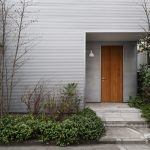
The path from the street to the front door matters just as much as what’s inside. A step-free, well-lit entrance with a gentle slope instead of stairs, a covered landing, and a wide, easy-to-open door removes one of the most common daily obstacles. Inside, an open floor plan with clear, unobstructed pathways lets someone move comfortably with a walker or wheelchair — and happens to feel more spacious and modern for everyone else, too.
Does Aging-in-Place Remodeling Have to Look Clinical?
Not at all. Today’s universal design is virtually invisible: grab bars that look like stylish towel bars, curbless showers that feel spa-like, and beautiful lever hardware and lighting. Done well, an accessible home simply looks like a well-designed modern one — comfortable for a young family today and safe for its owners decades from now.
How Much Does Aging-in-Place Remodeling Cost?
Cost varies widely with scope. Small, high-impact additions — grab bars, improved lighting, lever handles, a comfort-height toilet — are very affordable and can be done incrementally. A fully accessible bathroom with a curbless shower and wider doorway is a more involved remodel, and creating a main-floor suite or an ADU is a larger investment. The most economical approach is to build these features into remodeling you’re already planning, so you’re not paying twice to open the same walls. A clear, honest estimate up front lets you phase the work to match your budget.
How Do You Plan Ahead as a Family?
The best aging-in-place decisions are made calmly, well before a health event forces the issue. Talk with family about how everyone wants to live in the years ahead, identify which features matter most, and prioritize the highest-safety items first — starting with the bathroom. Planning early means you can spread the investment over time, make choices thoughtfully rather than under pressure, and enjoy the comfort and peace of mind long before it becomes a necessity.
Does It Add Home Value?
Yes. Accessible, single-floor-friendly features broaden the pool of future buyers and are increasingly sought after as the population ages. Midrange universal-design bathroom updates, in particular, deliver solid resale returns while dramatically improving daily livability — a rare win on both fronts.
Because so many buyers are either planning for their own future or shopping on behalf of aging parents, a home that already includes thoughtful, attractive accessibility features stands out in the market. It signals that the property has been cared for and future-proofed, which can shorten time on the market and support a stronger price. In other words, the same upgrades that let you stay comfortably for years also protect your investment if your plans ever change.
Start Early, Build Smart with Mazzamuto Construction
The best aging-in-place remodels are planned before they’re urgent. With more than 60 years serving Martinez and the East Bay, three generations of craftsmanship, and an in-house Design Center, Mazzamuto Construction helps you blend safety, accessibility, and style into a home you’ll love for years to come. Whether it’s a single accessible bathroom or a whole-home plan for multigenerational living, we’re here to help. Serving Walnut Creek, Lafayette, Martinez, Pleasant Hill, Orinda, Danville, and Alamo — contact us today to start planning.
Frequently Asked Questions
Q: What is universal design?
A: Universal design is an approach that makes spaces usable by people of all ages and abilities without special adaptation — features like curbless showers, lever handles, and wider doorways that help everyone, from young children to older adults.
Q: What is the most important aging-in-place upgrade?
A: The bathroom, because it’s where most home falls occur. A curbless walk-in shower with grab bars and seating, a comfort-height toilet, and slip-resistant flooring are the highest-impact safety improvements.
Q: Can you make an existing bathroom accessible without a full remodel?
A: Often yes. Grab bars, a comfort-height toilet, improved lighting, and slip-resistant flooring can be added incrementally, though a curbless shower and wider doorway usually require a more involved remodel.
Q: Does aging-in-place remodeling add resale value?
A: Yes. Accessible features broaden your future buyer pool and are increasingly in demand. Midrange universal-design bathroom updates in particular offer solid returns while improving everyday livability.
Q: How can I create space for a parent to move in?
A: A main-level suite, a home addition, or an accessory dwelling unit (ADU) can provide private, accessible living space while keeping family close — a common multigenerational solution in the East Bay.