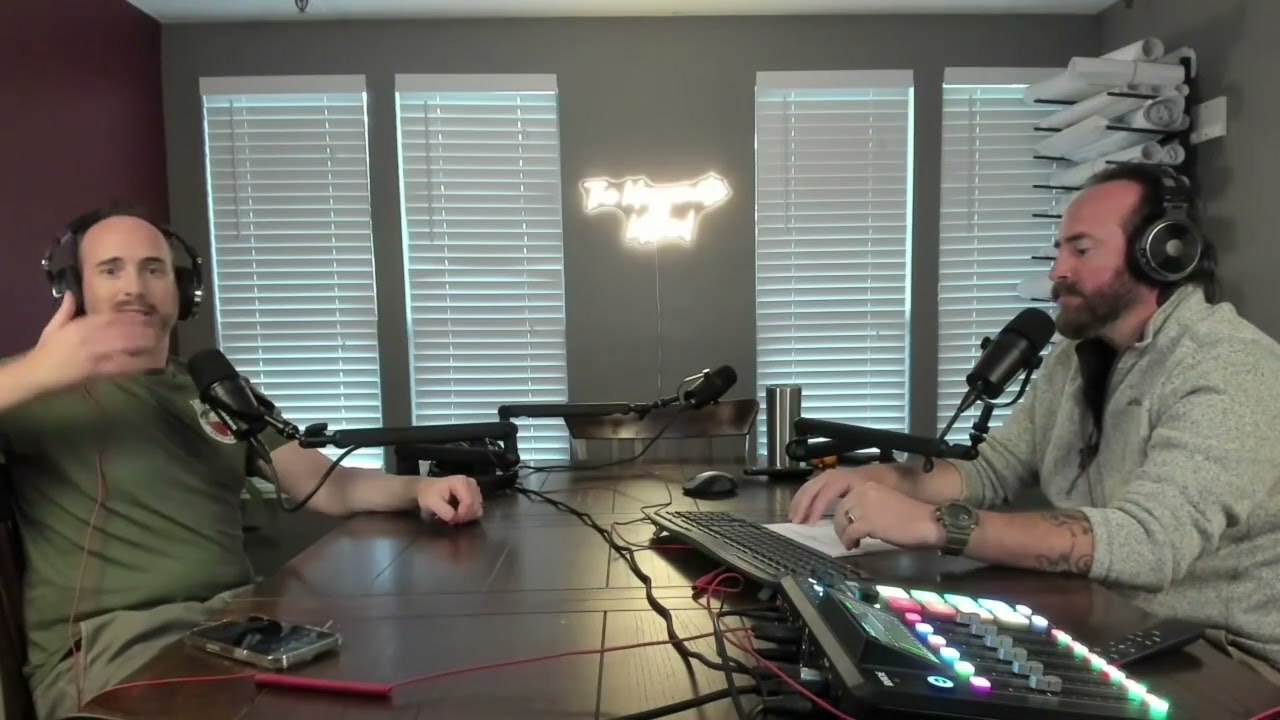
The lowest bid is usually the riskiest one because a legitimate price already reflects what the work really costs. In Episode 10 of The Mazzamuto Method, Gino and Mario Mazzamuto, third-generation builders in Martinez, California, explain what lowball bids and unlicensed competitors do to the people building your home.
The short answer: A very low bid usually means something is missing: a license, insurance, overhead or the intention to finish. Licensed contractors carry liability insurance and workers’ compensation, and when an unlicensed operator skips them, the homeowner absorbs the risk.
By Gino and Mario Mazzamuto, Mazzamuto Construction. Published April 7, 2026.
Why is the lowest bid usually the riskiest one?
The direct answer: because a legitimate price already reflects what the work really costs. As Gino puts it in the episode:
There’s a reason it’s this cheap. It’s just not like magic.
Licensed contractors carry liability insurance, workers’ compensation, payroll, trucks, equipment, and licensing, costs an unlicensed operator simply skips. The hosts compare it to restaurants: “That’s like comparing an unlicensed restaurant against a restaurant that has all their health and safety and licensing and all that stuff squared away. course it’s gonna be cheaper.”
They walk through a real example from their own bid list. A customer claimed he could get the same electrical work “done at like half the cost.” Their electrician’s response was blunt: the low bid did not even cover the cost of the breakers and materials. When a number is impossible, the hosts explain, only a few things can be true, the person is unlicensed and moonlighting, does not know what they are doing, or is working with stolen material. In every scenario, the homeowner absorbs the liability.
What really happens when you hire an unlicensed contractor?
You take on risk that never shows up on the estimate. The episode cites neighborhood posts the brothers see constantly: homeowners who paid deposits to unlicensed operators who disappeared, and a lady who wrote that a contractor “did a bunch of stuff” and took off, then had to pay a second contractor to fix it. Gino’s warning is that the homeowner is part of the equation too: hiring someone you know should not be doing the work perpetuates the problem, and the damage, bad wiring, failed plumbing, structural shortcuts, often stays hidden “till years down the road when they’re dealing with the problem.”
They also describe a whole subdivision of $1.5 million homes built with cheap imported plumbing and bargain windows that spawned years of class-action lawsuits: houses that “look like a Mercedes, but underneath the hood is a freaking Hyundai.”
Why do contractors say “it costs what it costs”?
Because remodeling is custom work, not a catalog item. A kitchen remodel is not a 2022 Honda Civic with a standard price; the layout, materials, and finishes change everything. And the legitimate overhead is real:
So the legitimate contractors, the legitimate tradesmen, we have to pay through the nose for liability insurance, workman’s comp insurance.
When unlicensed operators get injured on jobs and file claims they never paid into, premiums rise for everyone doing it right, and honest bids rise with them. That $75,000 kitchen quote a homeowner “beat” by doing it himself for $25,000? He paid no labor, no overhead, no insurance, and no one to stand behind the work.
What is the human cost behind lowball bids?
This is the part of the industry no one talks about, and the reason the brothers recorded the episode. The statistics they read on air are sobering: the construction industry has the highest suicide rate of any industry, roughly 53 to 56 per 100,000 workers against a national average of 27 to 32, with an estimated 5,000 to 6,000 construction workers dying by suicide annually. Half or more of construction businesses fail within five years, and as the episode notes, “most failures are not due to lack of skill but systematic overload.”
They tell the stories of Travis and Clayton, two experienced contractors who walked into their office within two weeks of each other to ask for jobs after shutting down their own companies. One saw the burnout coming and got out before missing his young son’s childhood; the other let his license, van, and tools go after burning out completely. A contractor-owner is “the chef, the sous chef, the cleanup, the accountant”, working the job all day, then doing invoices, payroll, scheduling, and evening estimate appointments at night. Every beaten-down price makes that treadmill spin faster.
How can homeowners be part of the solution?
Be fair, not just frugal. The hosts are clear that wanting a good deal is normal, “We want it to be less too”, but there is a difference between value and cutting the legs out from under someone. Practical takeaways from the episode:
- Verify the license, and do not knowingly hire unlicensed labor to save money.
- Treat an impossibly low bid as a warning sign, not a win.
- Do not ask crew members to do side work behind the contractor’s back, in the episode, that exact scenario cost a worker his job.
- Judge the bid on scope, communication, and accountability, not price alone.
The bottom line
Very little contractors get into construction because they want to be rich. They get into construction because they love what they do and they enjoy it they want to put out a good product.
That is the closing message of Episode 10. When homeowners choose licensed, accountable builders and pay a fair price, they protect their own homes and savings, and they keep good craftsmen, their crews, and their families healthy and in business. If this episode helps even one person on either side of the contract, as Gino says, “we did our job.”
Listen to the full episode of The Mazzamuto Method, and when you are ready to plan a remodel with a three-generation licensed builder, reach out to the Mazzamuto Construction team.
Frequently Asked Questions
Why is a licensed contractor’s remodeling bid higher than a handyman’s price?
A licensed contractor’s price includes liability insurance, workers’ compensation, licensing, skilled payroll, and accountability that survives after the job. An impossibly low bid usually means one of those protections is missing, and the homeowner carries that risk. See our cost guides and about us.
Is it safe to take the lowest of three kitchen remodel bids?
Not on price alone. As Episode 10 explains, the “shyster” pricing is almost always the low bid, and fixing failed work later costs far more than doing it right once. Compare scope, licensing, and communication first. Start with our kitchen remodeling page and cost guides.
Can I hire an unlicensed contractor for a bathroom remodel to save money?
The episode’s answer is no: hidden defects (plumbing, electrical, structure) often surface years later, there is no license bond or insurance behind the work, and homeowners rarely have recourse when the phone gets disconnected. See bathroom remodeling and design-build for how a licensed process protects you.
Someone quoted me an ADU at a rock-bottom price per square foot. Is that realistic?
Treat it as a red flag. Construction is custom work, site, structure, utilities, and finishes drive cost, and legitimate overhead cannot disappear from an honest bid. Learn what actually drives pricing at ADU construction and home additions.
How do I find a contractor I can trust?
Look for a licensed, multi-generation track record, transparent communication, and references, then have a real conversation about scope and budget. About Mazzamuto Construction or contact us to talk through your project.
Key takeaways from this episode
- Verify the license, and do not knowingly hire unlicensed labor to save money.
- Treat an impossibly low bid as a warning sign, not a win.
- Do not ask crew members to do side work behind the contractor’s back.
- Judge a bid on scope, communication and accountability, not price alone.
Keep reading
- How to avoid a bad contractor
- How much a remodel really costs: estimates vs. guesstimates
- How to spot unvetted subcontractors (Episode 7)
- Kitchen remodeling with Mazzamuto Construction
- How to choose a remodeling contractor in the Bay Area
- All episodes of The Mazzamuto Method
Thinking about a remodel in Contra Costa County or along the 680 corridor? Get a real estimate.
About the show: The Mazzamuto Method is Martinez’s construction podcast. Hosted by Gino and Mario Mazzamuto of Mazzamuto Construction, ranked in the top 1% of California contractors. Serving Martinez, Walnut Creek, Danville, Alamo, Lafayette, Orinda, Moraga, Pleasant Hill, Clayton and San Ramon. Mazzamuto Construction Inc. · CSLB #1116913 · 837 Arnold Drive, Suites 210 & 220, Martinez, CA 94553 · (925) 228-7376.